Why Youth Sports Matter:
The Benefits of Sports for Youth Development, Leadership, and Life Skills

Youth sports are far more than competition—they are a powerful tool for physical health, mental well-being, academic success, and life-skill development. Research from leading institutions consistently shows that access to structured sports programs helps children build confidence, resilience, teamwork, and leadership skills that shape long-term outcomes in adulthood.
1. Physical and Mental Health Benefits
Regular participation in sports and physical activity improves both physical health and emotional wellness. Studies show that physically active youth experience lower levels of anxiety, depression, and stress, while reporting greater motivation and happiness compared to inactive peers.
Daily activity also improves cardiovascular health, physical development, and long-term wellness, helping youth build habits that reduce chronic disease risk later in life.
Key Data Point
Highly active youth are twice as likely to report lower depressive symptoms compared with inactive youth.
2. Academic and Cognitive Development
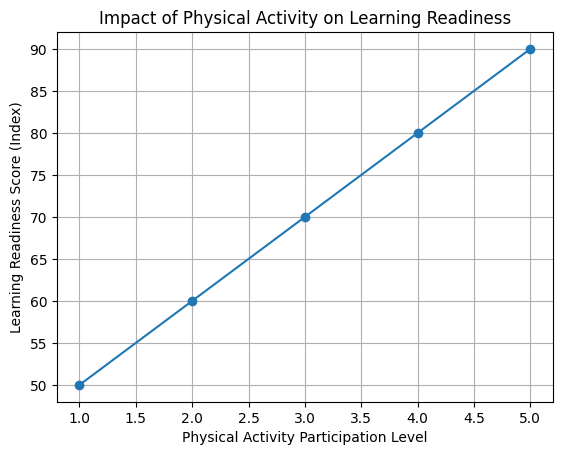
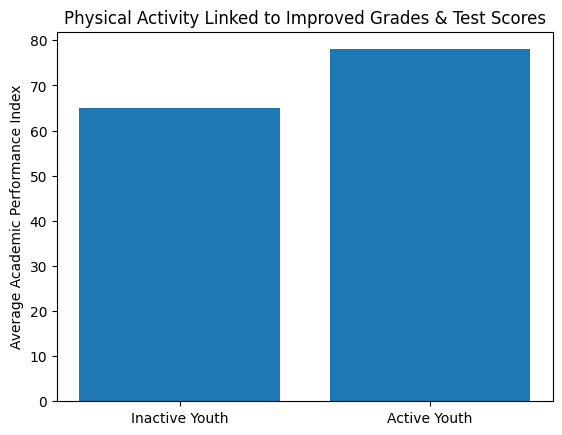
Youth who participate in sports often perform better academically. Physical activity has been linked to improved concentration, classroom behavior, and standardized test performance, supporting the connection between athletics and academic success.
Key Data Point
Regular physical activity improves attention, concentration, and academic achievement indicators in children.
3. Leadership, Confidence, and Life Skills
Sports participation teaches skills that translate directly into adulthood. Research shows that youth sports participation is strongly associated with the development of leadership traits, teamwork ability, and long-term professional success.
Athletes regularly practice:
Goal setting
Discipline and time management
Team collaboration
Accountability and responsibility
These experiences build the foundation for career readiness and personal development.
5. Economic and Long-Term Societal Benefits
Increasing youth sports participation also produces measurable long-term economic and public health benefits. National modeling studies estimate that higher youth sports participation could generate billions in healthcare cost savings and millions of additional years of healthy life.
At the same time, participation access remains a challenge:

Highest and Lowest % of Participation in Youth Sports in the US compared to Michigan
4. Community and Social Development
Sports environments create positive peer networks and mentorship opportunities that strengthen social skills and community engagement. International research highlights that sports programs can help youth develop life skills such as coping with stress, resisting negative social pressures, and building supportive social connections.
Key Data Point
Youth who sample multiple sports often stay involved longer and develop stronger social-emotional skills.